Now Reading: India’s Golden Triangle: The Perfect Delhi, Agra and Jaipur Itinerary
-
01
India’s Golden Triangle: The Perfect Delhi, Agra and Jaipur Itinerary
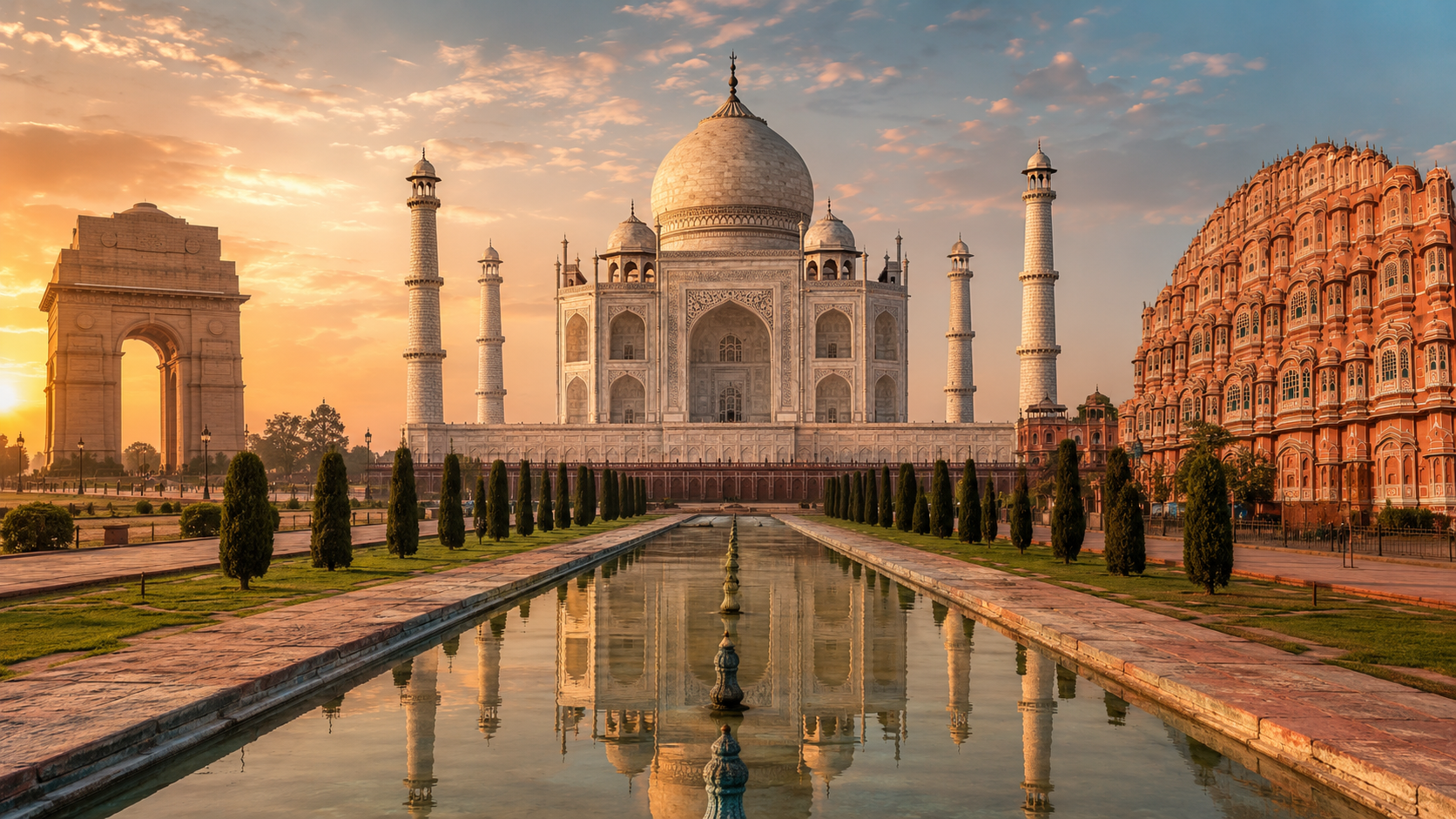

A practical seven-day Golden Triangle itinerary through Delhi, Agra and Jaipur, with the best sights, transport advice, costs, food and planning tips.
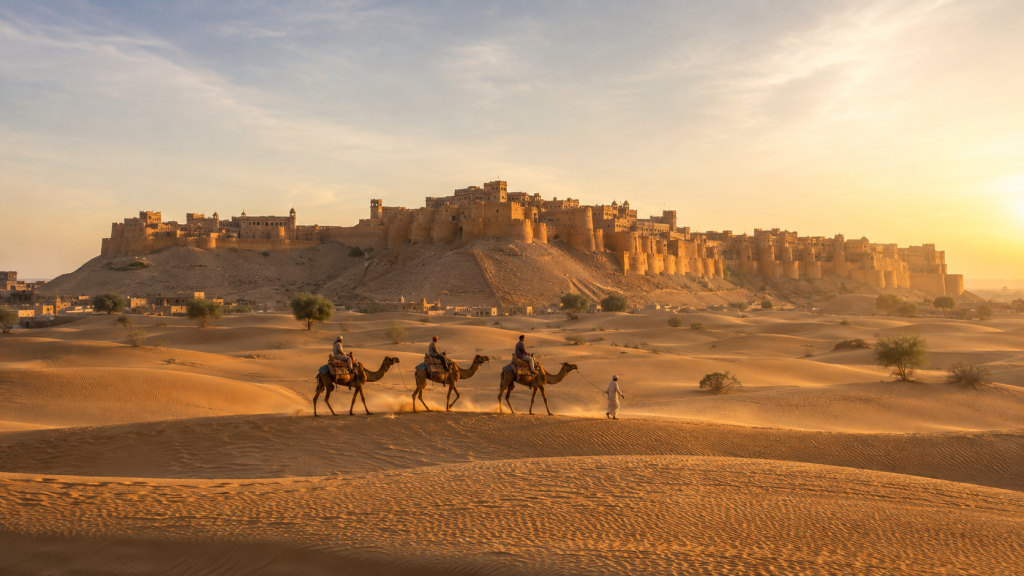
Morning begins with the call to prayer drifting over Old Delhi. By afternoon, you may be standing beneath a marble dome built for love. A few days later, the walls around you have turned rose-pink, and an amber fort rises above a lake in the Aravalli hills.
This is India’s Golden Triangle: Delhi, Agra and Jaipur. The route is popular for good reason. In one compact journey, it carries you through Mughal courtyards, crowded bazaars, Rajput palaces, neighbourhood kitchens and some of the most recognisable architecture in India.
Yet the Golden Triangle is often rushed. Three cities are squeezed into four days, the Taj Mahal becomes a hurried photograph, and Jaipur is reduced to a fort seen through a car window. This seven-day Golden Triangle itinerary takes a gentler approach. It gives each city enough time to reveal a little of its character, while remaining practical for a first journey to India.
At a glance: spend three nights in Delhi, one night in Agra and two nights in Jaipur. Travel from Delhi to Agra by morning train, continue from Agra to Jaipur by road via Fatehpur Sikri, and fly or take a train from Jaipur to your next destination. If your international flight leaves from Delhi, add a final night there rather than risking a same-day connection.
What is India’s Golden Triangle?
The Golden Triangle is a travel circuit connecting Delhi, Agra and Jaipur. On a map, the three cities form a rough triangle across northern India. Each leg is approximately 230 to 275 kilometres, making the route manageable by train or road.
The appeal lies in the contrast. Delhi contains several Indias at once, from the compressed lanes of Shahjahanabad to the broad ceremonial avenues of New Delhi. Agra holds the Taj Mahal, but also a powerful Mughal fort and quieter riverside monuments. Jaipur introduces Rajasthan through honeycombed façades, astronomical instruments, painted gateways and rugged hill forts.
For a first-time visitor, it is an accessible introduction rather than a complete portrait of the country. Read our India travel guide for first-time visitors before you leave, then treat this route as the beginning of a much longer conversation with India.
The perfect seven-day Golden Triangle itinerary
| Day | Base | Main experiences |
|---|---|---|
| 1 | Delhi | Arrive, settle in and take a gentle evening walk |
| 2 | Delhi | Old Delhi, Jama Masjid, Chandni Chowk and Raj Ghat |
| 3 | Delhi | Humayun’s Tomb, Lodhi Garden, Qutub Minar and New Delhi |
| 4 | Agra | Morning train, Agra Fort, Itmad-ud-Daulah and Mehtab Bagh |
| 5 | Jaipur | Taj Mahal at sunrise, Fatehpur Sikri and road journey to Jaipur |
| 6 | Jaipur | Amber Fort, Jal Mahal and sunset above the city |
| 7 | Jaipur | Hawa Mahal, City Palace, Jantar Mantar and the bazaars |
Day 1: Arrive in Delhi and let India come to you slowly
Delhi can feel like someone has turned up the volume on the world. Horns echo beneath flyovers, marigold garlands spill from market stalls and the air carries dust, incense and frying spices. Do not plan a heroic first day, especially after a long flight.
Check into your hotel, shower, rest and eat somewhere close by. If you still have energy, take a slow walk through Lodhi Garden, browse the bookshops and cafés around Khan Market, or watch Connaught Place light up in the early evening. This is an arrival day, not a sightseeing competition.
Where to stay: Connaught Place is central and convenient, South Delhi is calmer, and Aerocity works well for a late arrival but is less atmospheric. Paharganj has inexpensive rooms and backpacker energy, although its intensity can be tiring on a first night.
Day 2: Step into the beautiful disorder of Old Delhi
Begin early at the Red Fort, when its long sandstone walls still hold the soft morning light. The fort was the ceremonial heart of Mughal Delhi, and its pavilions offer a quieter introduction before you enter the surrounding streets. The Red Fort is normally closed on Mondays, so swap days two and three if necessary.
From here, walk or take a cycle rickshaw towards Jama Masjid. Remove your shoes, dress respectfully and climb the steps into one of India’s great mosque courtyards. Beyond the gate, Old Delhi folds in around you. Rickshaws edge past spice sacks, tangled wires hang above narrow lanes and vendors ladle chai into small glasses.
Explore Chandni Chowk with a local guide if this is your first day in India. A thoughtful guide does more than lead you through the lanes. They can explain the etiquette of sacred spaces, help you eat safely and show you workshops and courtyards that are easy to miss.
Stop at Gurudwara Sis Ganj Sahib, covering your head and washing your hands before entering. Visitors are welcome to observe the prayer hall and community kitchen, but move quietly and ask before photographing people. Finish with the calm of Raj Ghat, the memorial to Mahatma Gandhi, or return to your hotel for a rest before dinner.
If you want a more detailed plan for the capital, use our three-day Delhi itinerary and choose the stops that matter most to you.
Day 3: Discover the spacious, layered side of New Delhi
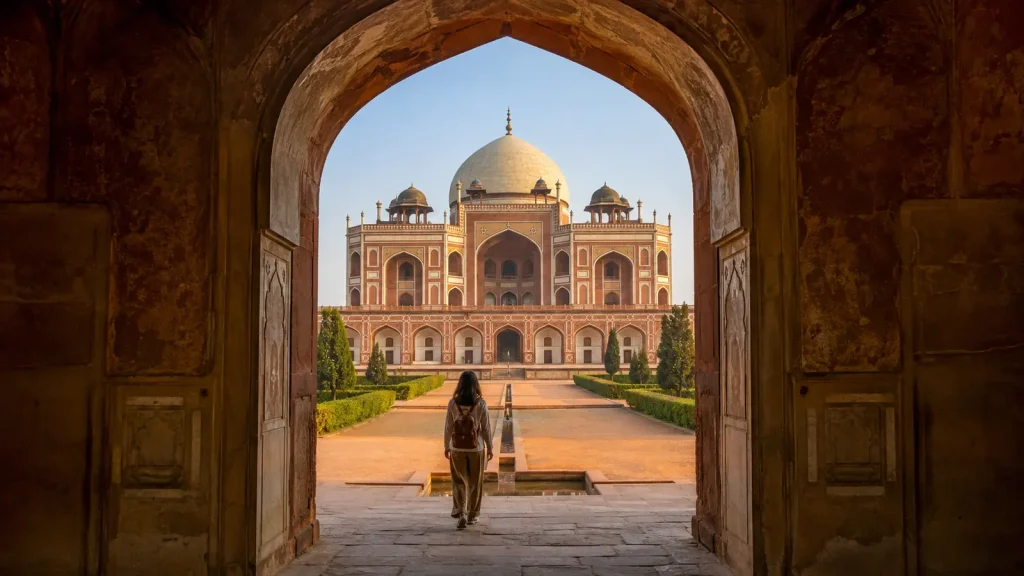
Start at Humayun’s Tomb. Its garden paths, red sandstone and white marble prefigure many ideas later perfected at the Taj Mahal. Arrive near opening time, before the heat settles into the stone.
Continue to Lodhi Garden for a walk among domed tombs, parakeets and morning exercisers. After lunch, head south to the Qutub Minar complex. The fluted tower rises above mosque ruins, carved pillars and the unfinished Alai Minar, revealing centuries of ambition in one enclosed space.
In the late afternoon, drive past the government buildings around Kartavya Path and walk towards India Gate as the temperature softens. End the day with dinner in Connaught Place, Pandara Road or one of South Delhi’s neighbourhood restaurants.
Do not overfill this day. Delhi traffic can make two nearby-looking sights feel far apart. Group attractions geographically and leave room for tea, security queues and the unexpected conversations that often become the most memorable part of the city.
Day 4: Take the train to Agra and meet the Mughal city beyond the Taj
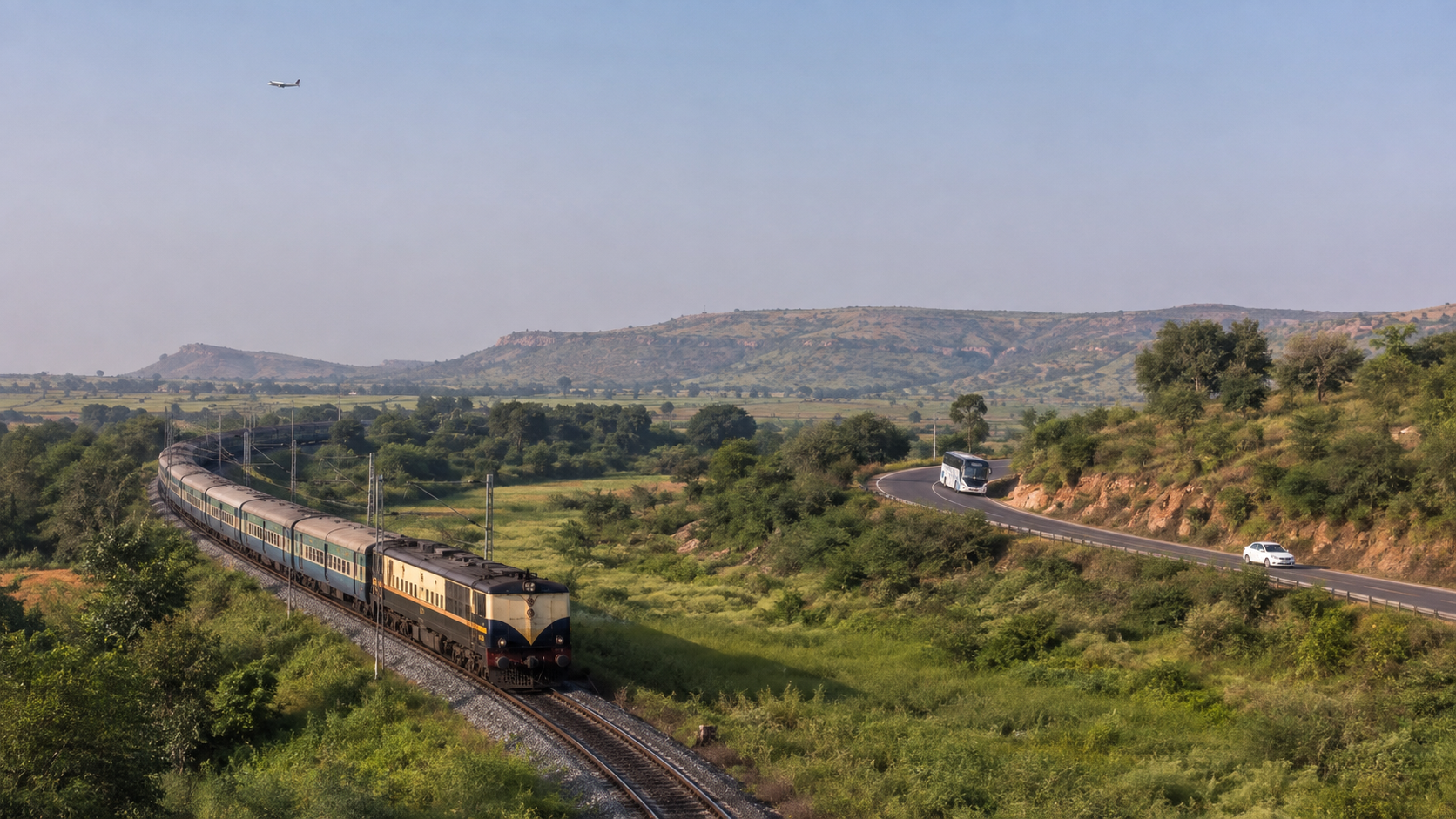
Leave Delhi on an early train to Agra Cantt. Fast services can complete the journey in roughly two hours, although schedules vary. Reserve a confirmed seat through the official IRCTC website or a reputable booking platform, and arrive at the station with time to find your coach.
After leaving your luggage at the hotel, visit Agra Fort. Its scale becomes apparent only after you cross the moat and pass through the gates. Within the red walls are audience halls, marble chambers and balconies facing the distant Taj. This was not merely a military fort. It was a royal city, and later the place where Shah Jahan was held by his son Aurangzeb.
In the afternoon, visit the tomb of Itmad-ud-Daulah, sometimes called the Baby Taj. The nickname understates it. Its delicate marble latticework and pietra dura decoration make it a beautiful monument in its own right.
Finish at Mehtab Bagh, across the Yamuna from the Taj Mahal. At sunset, the monument appears less like a postcard and more like part of the riverside landscape. Mist, birds and changing light soften its symmetry. Stay until the marble begins to lose its colour, then return for an early dinner.
Day 5: See the Taj Mahal at sunrise, then continue to Jaipur
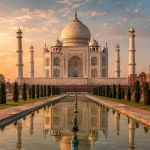
Wake before dawn and reach the Taj Mahal gate before sunrise. The first glimpse comes through the dark arch of the Great Gate: pale marble suspended at the end of a long garden, changing from grey to pearl and then to warm white as the day arrives.
Give the Taj time. Walk along the reflecting pool, look closely at the stone inlay and notice how the calligraphy changes in size to appear uniform from below. Sit on a bench away from the busiest photo points. The monument becomes more moving when you stop trying to capture it.
Important: the Taj Mahal is closed to general visitors every Friday. It normally opens from sunrise to sunset on other days. Check current conditions and buy tickets through the Archaeological Survey of India before travelling. A separate ticket is required to enter the main mausoleum.
Return to the hotel for breakfast and collect your bags. The most rewarding way to reach Jaipur today is a private car with a stop at Fatehpur Sikri, around 40 kilometres from Agra. Emperor Akbar’s former capital contains immense courtyards, carved screens and gateways rising from the dusty plain.
Allow most of the day for the journey. Agra to Jaipur usually takes four to five hours by road without sightseeing, and six to seven hours with a relaxed Fatehpur Sikri visit and meal stop. If you prefer public transport, take a direct train or bus and save Fatehpur Sikri for another trip.
Arrive in Jaipur in the evening. Check into a haveli-style guesthouse if your budget allows, then have a simple Rajasthani dinner and rest.
Day 6: Climb to Amber Fort and watch Jaipur turn gold
Leave early for Amber Fort, also written as Amer Fort, before tour groups and midday heat fill its courtyards. The fort rises in ochre layers above Maota Lake. Inside, mirrored halls scatter fragments of light, painted doorways open into hidden courtyards and ramparts trace the surrounding hills.
Walk up, take a jeep or use a car to reach the entrance. Avoid elephant rides. Concerns about animal welfare make walking or motorised transport the kinder choice.
On the return journey, pause beside Jal Mahal. The palace appears to float in Man Sagar Lake, although visitors generally admire it from the shore. Continue into the old city for lunch, then choose one unhurried afternoon experience: the block-printing traditions around Jaipur, the royal cenotaphs at Gaitore, or the museums inside Albert Hall.
For sunset, head to Nahargarh Fort or a quieter rooftop in the old city. From above, Jaipur spreads towards the hills in a haze of pink, cream and terracotta. Nahargarh can become crowded, so agree on a return ride in advance and do not walk down isolated roads after dark.
Day 7: Walk through the Pink City’s palaces and bazaars
Begin opposite Hawa Mahal while the morning light reaches its hundreds of small windows. The famous façade is best viewed from street level or from a rooftop café across the road, but go inside as well. Narrow passages lead upwards to breezy chambers built so royal women could observe processions without being seen.
Walk to the City Palace, a sequence of courtyards, museums and ornate gateways that still forms part of Jaipur’s royal residence. Nearby, Jantar Mantar turns astronomy into sculpture. Its immense stone instruments were designed to track time and the movement of celestial bodies with astonishing precision.
Spend your final afternoon in the bazaars. Johari Bazaar glitters with jewellery, Bapu Bazaar is known for textiles and footwear, and the lanes between them offer lac bangles, blue pottery, printed cotton and snacks fried in large iron pans. Bargain gently, compare quality and buy from workshops or fixed-price cooperatives when you want greater confidence about where the money goes.
Depart from Jaipur by evening train or flight, or stay one more night. If your international flight leaves from Delhi, travel back the day before departure. Road and rail delays are normal enough that a tight same-day connection is rarely worth the anxiety.
How to travel between Delhi, Agra and Jaipur
| Route | Best option | Typical journey | Why choose it |
|---|---|---|---|
| Delhi to Agra | Fast morning train | About 2–3 hours | Quick, comfortable and avoids road traffic |
| Agra to Jaipur | Car via Fatehpur Sikri | 4–5 hours direct; 6–7 with a visit | Turns a transfer day into meaningful sightseeing |
| Jaipur to Delhi | Train, flight or car | Roughly 4–6 hours overland | Choose according to your onward connection and budget |
Train: ideal for independent travellers. Book ahead, particularly around festivals and weekends. Choose an air-conditioned chair car or higher class for a comfortable first journey, and confirm which Delhi station your service uses.
Private car and driver: the easiest door-to-door option and particularly useful between Agra and Jaipur. Ask whether tolls, parking, driver accommodation and state taxes are included. A driver is not automatically a licensed guide, so arrange a separate accredited guide where historical context matters.
Bus: usually the least expensive option, but journey times and departure points can be less convenient. Use established operators, keep valuables with you and avoid arriving in an unfamiliar city very late at night.
Where to stay on the Golden Triangle
| City | Area | Best for |
|---|---|---|
| Delhi | Connaught Place | Central location, metro access and a first visit |
| Delhi | South Delhi | Quieter evenings, cafés and neighbourhood atmosphere |
| Agra | Taj East Gate area | Early access to the Taj Mahal and walkable cafés |
| Jaipur | Bani Park | Heritage guesthouses and a calmer base |
| Jaipur | Pink City | Atmosphere and walking access to old-city sights |
| Jaipur | C-Scheme | Modern hotels, restaurants and a more polished stay |
Location matters more than saving a small amount on the room. A distant hotel can cost you hours in traffic and make early starts difficult. In Agra, staying near the Taj’s eastern gate is especially useful for a sunrise visit.
How much does a seven-day Golden Triangle trip cost?
These are planning estimates per person, based on two people sharing where relevant. They include accommodation, food, intercity travel, local transport and typical entrance fees, but exclude international flights, visas, shopping and travel insurance. Dollar figures use an approximate rate of ₹95 to US$1 and should be checked before travel.
| Travel style | Seven-day estimate | What it usually covers |
|---|---|---|
| Backpacker | ₹22,000–₹35,000 (US$230–$370) | Hostels or simple rooms, local meals, trains and public transport |
| Comfortable independent | ₹50,000–₹85,000 (US$525–$895) | Good hotels, air-conditioned transport, varied meals and selected guides |
| Higher comfort | ₹120,000+ (US$1,265+) | Heritage hotels, private driver, expert guides and premium dining |
Foreign-visitor monument tickets are a meaningful part of the budget. Prices and inclusions change, so check official ticketing pages rather than relying on an old blog or a driver’s estimate.
What to eat in Delhi, Agra and Jaipur
The architecture may bring you to the Golden Triangle, but food gives the route its warmth.
- Delhi: chole bhature, stuffed paratha, kebabs, butter chicken, chaat and thick lassi.
- Agra: bedai with spicy potato curry, Mughlai dishes and translucent petha sweets.
- Jaipur: pyaaz kachori, dal baati churma, ker sangri, gatte ki sabzi and ghevar.
Choose busy stalls where food is cooked fresh, drink sealed or properly filtered water, and increase the spice level gradually. Our traveller’s guide to Indian food explains regional dishes and practical ways to eat confidently.
The best time to visit the Golden Triangle
October to March brings the most comfortable temperatures for walking, although December and January mornings can be cold and fog may obscure the Taj Mahal or disrupt transport. This is also peak season, so rooms and trains should be booked ahead.
April to June can be fiercely hot. Sightseeing is still possible, but you will need early starts, long midday breaks, sun protection and reliable air conditioning.
July to September brings monsoon rain, humidity and dramatic skies. Crowds may be lighter, gardens look greener and hotel value can improve, but street flooding and travel delays are possible.
For a closer regional breakdown, read our month-by-month guide to the best time to visit India.
Practical tips that make the journey easier
- Keep Friday away from your Taj visit. The Taj Mahal is closed to general visitors on Fridays.
- Book trains early. Popular services can sell out, especially during holidays and festival periods.
- Carry your passport. It may be required for hotel check-in, train bookings and foreign-visitor tickets.
- Use official ticket channels. Ignore anyone who claims a monument is closed and tries to redirect you to a shop or unofficial attraction.
- Expect airport-style security. Large bags, food, tobacco products, tripods and other items may be restricted at major monuments, especially the Taj Mahal.
- Cover shoulders and knees for sacred places. Carry a light scarf and be prepared to remove shoes.
- Use app-based taxis or hotel-arranged transport. Check the vehicle registration before getting in and agree clearly on inclusions for day hires.
- Protect your breathing. Delhi’s air quality can be poor, particularly in late autumn and winter. Travellers with respiratory conditions should check daily conditions and carry appropriate medication.
- Leave empty space in the itinerary. Heat, traffic and sensory overload are real. A quiet hour at the hotel is often better than one more rushed monument.
Can you do the Golden Triangle in five days?
Yes, but it will feel brisk. Spend two days in Delhi, one in Agra and two in Jaipur. Travel to Agra early on day three, see Agra Fort that afternoon and the Taj at sunrise the next morning, then continue to Jaipur. Skip Fatehpur Sikri unless you have a car and are comfortable with a long day.
Anything shorter than five days turns the route into a transfer schedule. You will see famous buildings, but very little of the life around them.
How to extend the Golden Triangle
- Ranthambore National Park: add two or three nights between Agra and Jaipur for wildlife safaris.
- Bharatpur: add a night for Keoladeo National Park, especially during the winter birding season.
- Udaipur: continue deeper into Rajasthan for lakes, palaces and a gentler pace.
- Varanasi: take an overnight train or flight east for a profound change of atmosphere.
- Jodhpur and Jaisalmer: turn Jaipur into the gateway for a longer Rajasthan journey.
Compare these possibilities in our guide to India itineraries for one week to one month.
Golden Triangle itinerary FAQs
How many days are enough for Delhi, Agra and Jaipur?
Seven days is the best balance for most first-time visitors. Five days is possible but fast, while eight to ten days gives you time for slower mornings, neighbourhood walks or an extension to Ranthambore or Bharatpur.
Which direction should I travel?
Delhi to Agra to Jaipur is the classic direction and works particularly well because the Delhi–Agra train is fast and Fatehpur Sikri fits naturally into the road journey from Agra to Jaipur. Reverse the route if train availability, flights or the Taj Mahal’s Friday closure make it more practical.
Is the Golden Triangle suitable for solo travellers?
Yes. The route has extensive tourist infrastructure and frequent transport. Use the same care you would in any busy destination: avoid isolated areas after dark, share journey details, keep valuables discreet and use verified transport. Solo women may prefer centrally located accommodation, daytime arrivals and hotel-arranged pickups for the first transfer.
Should I book a tour or travel independently?
Independent travel is straightforward if you are comfortable booking trains, hotels and local transport. A private driver reduces logistical effort, while licensed local guides add context at major historical sites. A hybrid approach often works best: arrange your own hotels and trains, then hire guides selectively in Old Delhi, Agra and Jaipur.
Is the Golden Triangle good for families?
Yes, provided the days are not overloaded. Children often enjoy rickshaw rides, trains, fort ramparts and Jaipur’s astronomical instruments. Build in pool or rest time, carry familiar snacks and avoid long outdoor visits during the hottest hours.
Final thoughts
The Golden Triangle is sometimes dismissed as India’s most obvious itinerary. Obvious does not mean ordinary. Stand in Humayun’s garden at first light, hear footsteps echo through Agra Fort, or watch a block printer press an old pattern into cotton in Jaipur, and the route feels intimate again.
The secret is not to outrun it. Give Delhi time to settle around you. See Agra beyond one marble monument. Let Jaipur become a living city rather than a collection of pink façades. Seven days will not explain India, but it will open the door beautifully.