
Now Reading: Best Time to Visit India: A Month-by-Month Regional Guide
-
01
Best Time to Visit India: A Month-by-Month Regional Guide
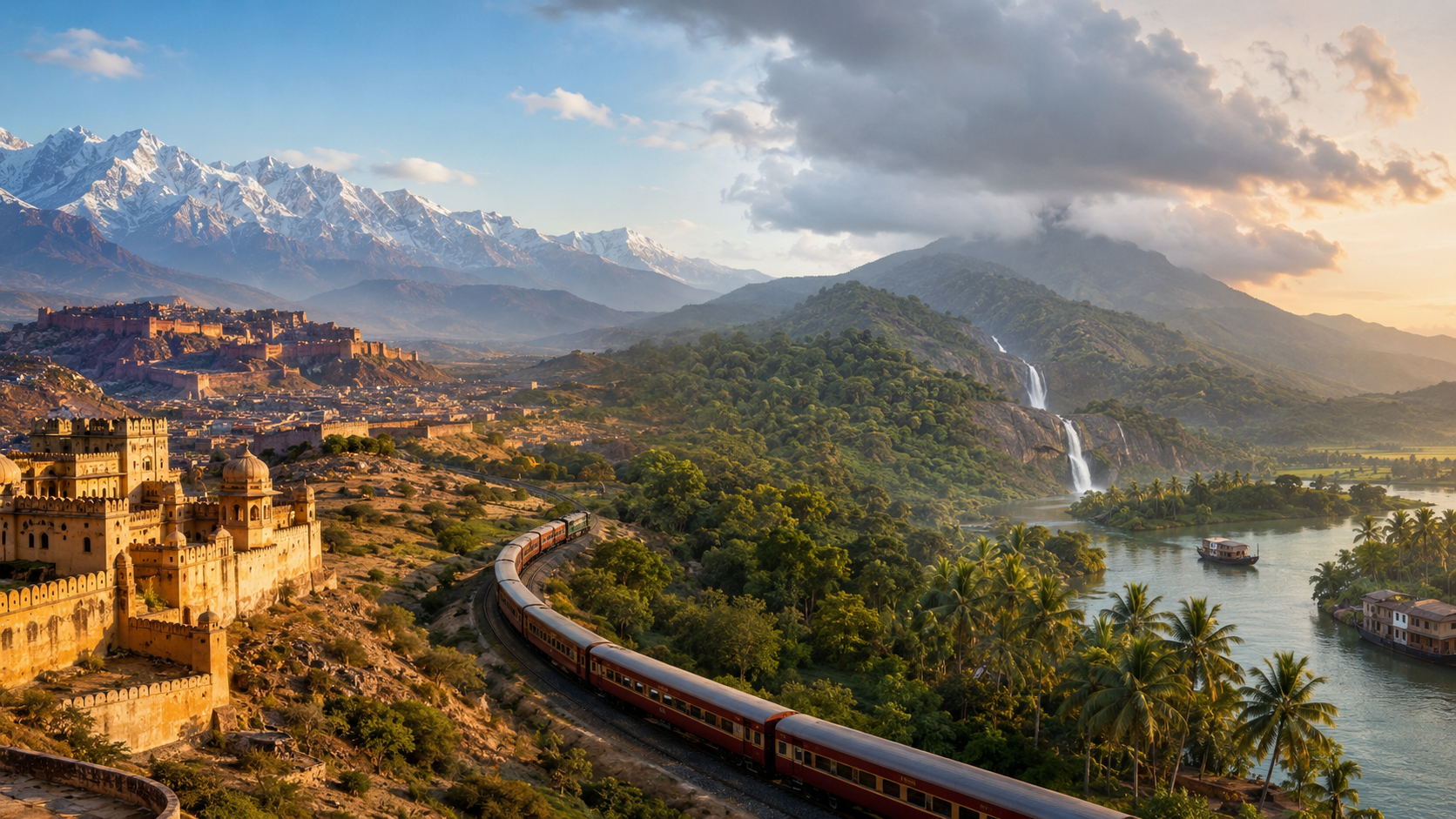

Discover the best time to visit India with a month-by-month regional guide to weather, monsoons, crowds, festivals and the best places to go in every season.
There is no single best time to visit India. That is the first thing worth knowing.
On a January morning, Delhi may be wrapped in pale winter fog while the beaches of Kerala are already warm beneath the palms. In July, rain drums against tiled roofs in Goa, yet beyond the Himalayas the high desert of Ladakh is enjoying some of its clearest travelling weather. India is not one climate but a collection of them, shaped by mountains, deserts, tropical coasts, monsoon winds and enormous distances.
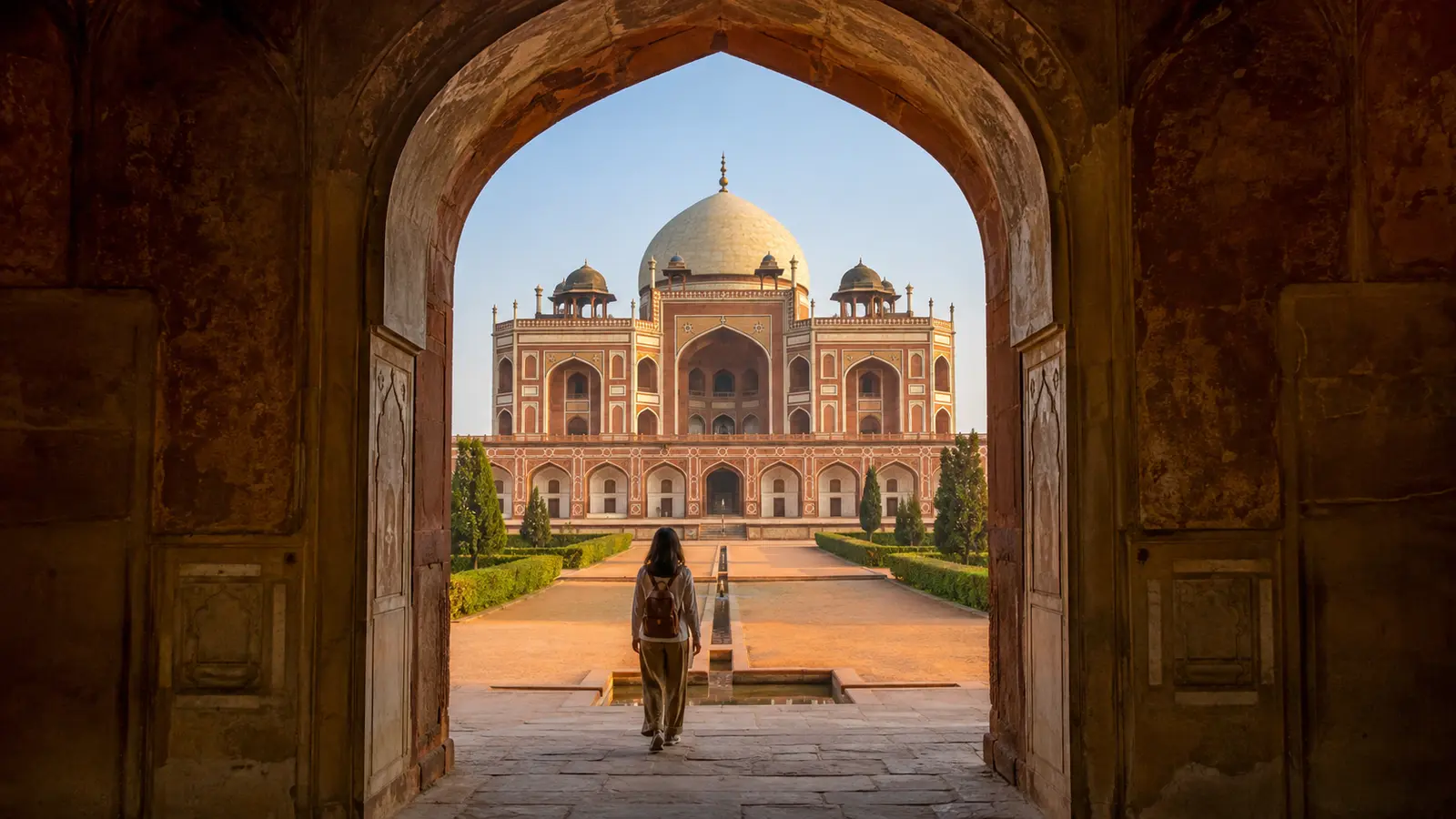
For many first-time visitors following the Golden Triangle, Rajasthan, Varanasi or the southern coast, October to March is the most comfortable overall period. The days are generally drier, the heat is gentler and long hours of sightseeing feel easier. But that simple answer leaves out some of India’s most rewarding journeys.
This month-by-month guide looks beyond a single national forecast. It will help you match the season to the India you actually want to experience, whether that means forts and bazaars, mountain roads, tiger reserves, tropical backwaters, monsoon-green hills or quiet beaches.
The short answer: when is the best time to visit India?
| Where or how you want to travel | Best general window | What to expect |
|---|---|---|
| Delhi, Agra and Rajasthan | October to March | Cooler, drier days, with cold mornings possible in December and January |
| Varanasi and the north Indian plains | October to March | Comfortable sightseeing weather, although winter fog can delay transport |
| Goa and the west-coast beaches | November to February | Drier weather, warm sea days and a lively beach season |
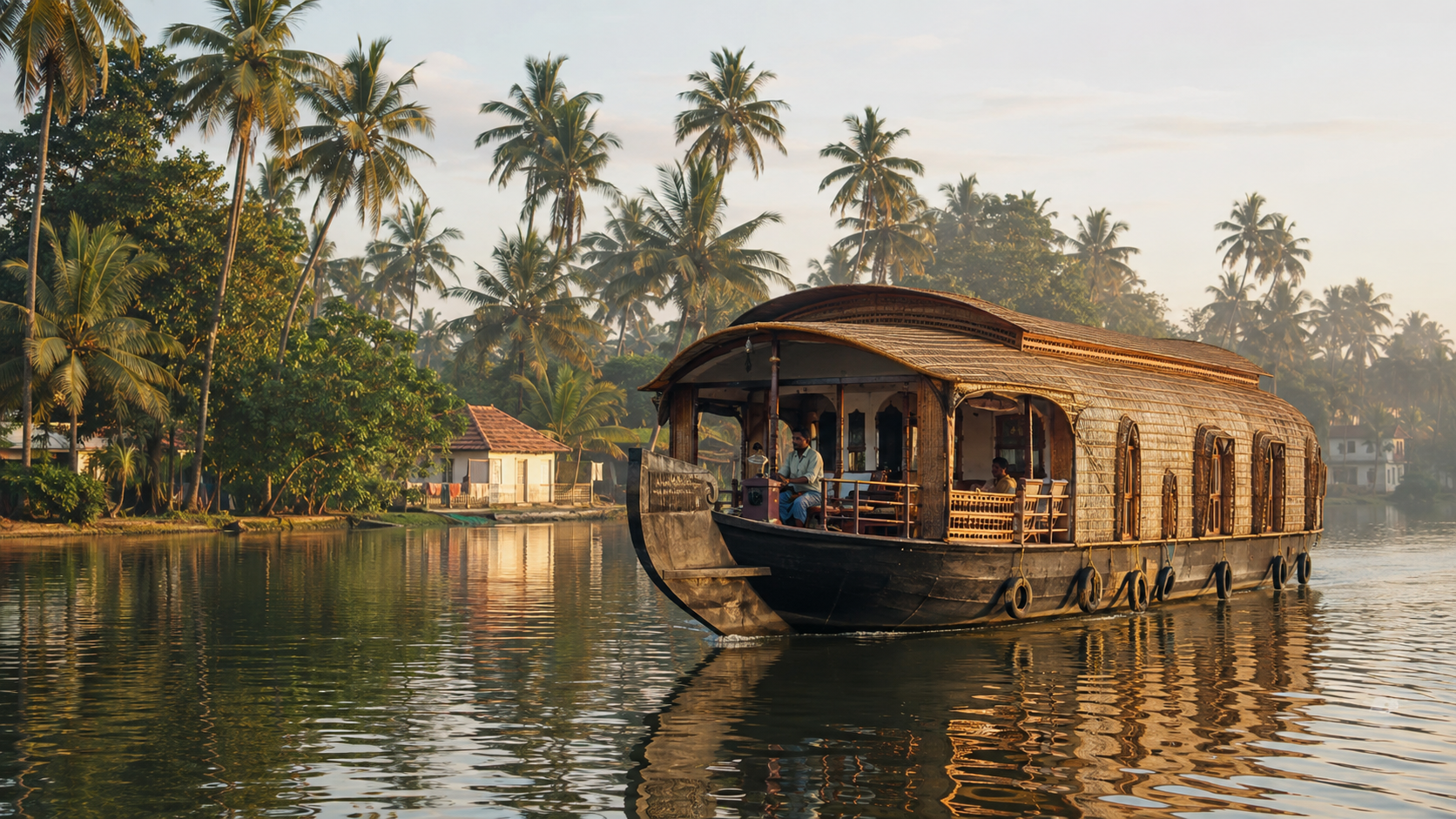
| Kerala and the southwest coast | December to February | Lower humidity, pleasant backwaters and good beach weather |
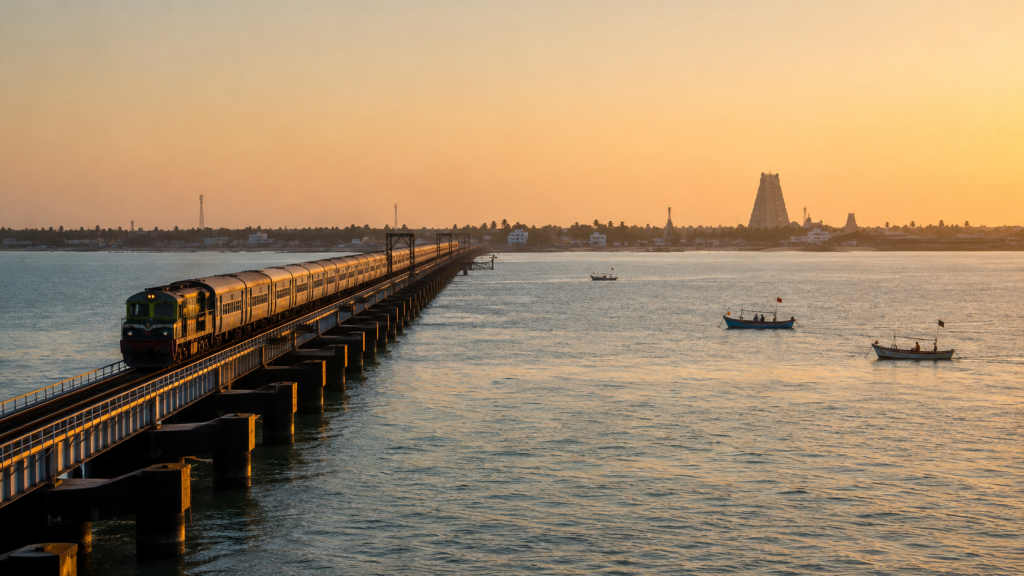
| Tamil Nadu and the southeast coast | January to March | Generally drier after the northeast monsoon, before peak summer heat |
| Central India and wildlife parks | November to March | Pleasant safari conditions; sightings may improve as temperatures rise towards April |
| Kashmir, Himachal Pradesh and Uttarakhand | April to June and September to October | Milder mountain weather outside the main monsoon and deepest winter |
| Ladakh and Spiti | June to September | Accessible high-altitude routes and comparatively dry conditions |
| Northeast India | October to April | Clearer, more comfortable travel in many areas; higher elevations remain cold |
| Andaman Islands | December to April | Calmer conditions are generally better suited to beaches, boats and diving |
If this is your first journey and your route includes several regions, February is arguably the best all-round month. Rajasthan is comfortable, central India is excellent for wildlife, Kerala is warm without the heaviest humidity, and the far south is usually drier than it is in late autumn. November is another strong choice, particularly for north India, although the southeast coast can still receive substantial rain.
India’s seasons, explained simply
India’s weather does not turn neatly on the first day of a month, and the timing varies from year to year. Even so, thinking in four broad travel seasons makes planning much easier.
- Winter, roughly December to February: usually dry and comfortable across much of the country, cold in the north and warm in the far south.
- Pre-monsoon summer, roughly March to May: increasingly hot across the plains, but a good period for hill stations, some wildlife trips and higher Himalayan regions as access improves.
- Southwest monsoon, broadly June to September: rain reaches Kerala first and advances northwards. The west coast and Northeast are especially wet, while Ladakh and parts of Spiti sit in a rain shadow.
- Post-monsoon and northeast monsoon, October to December: much of India becomes drier, but Tamil Nadu and parts of the southeast receive an important share of their rain during this period.
The monsoon is not a four-month wall of continuous rain. It can arrive as a fierce afternoon downpour, several grey and dripping days, or a sudden burst followed by brilliant light. It also brings disruption. Flooding, landslides, rough seas and delayed road or rail journeys are possible, so flexibility matters.
India month by month
January: cool north, warm south and peak-season energy
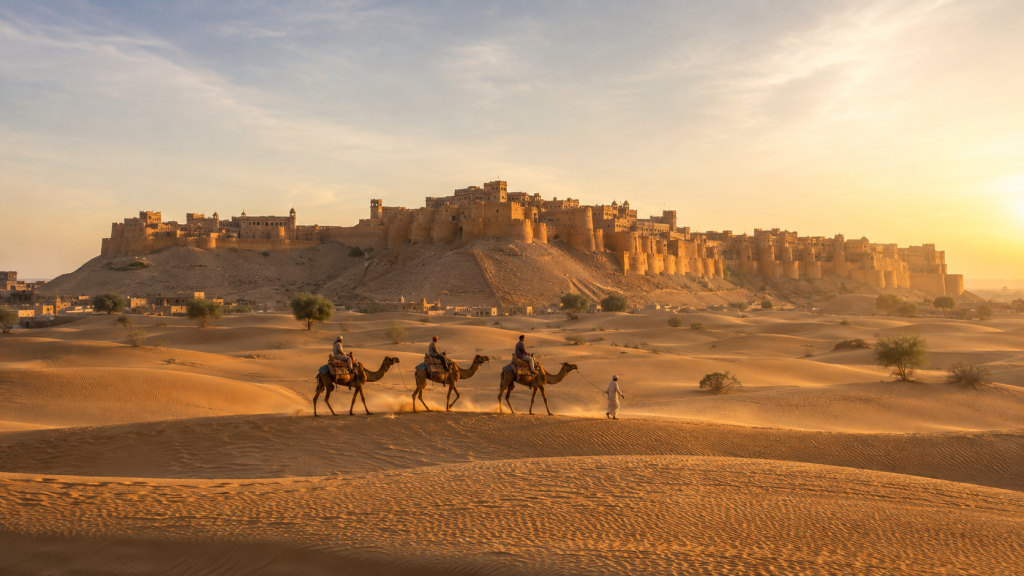
January is one of India’s most appealing travel months. Rajasthan wakes beneath clear blue skies, the stone walls of Jaisalmer hold the gentler winter sun, and afternoons in Jaipur are made for unhurried walks between courtyards and bazaars. In Kerala, coconut palms lean over warm backwaters while Goa settles into its busiest beach season.
Best regions: Rajasthan, Gujarat, Madhya Pradesh, Goa, Kerala, Karnataka, Delhi, Agra and the Andaman Islands.
Keep in mind: Delhi, Agra and Varanasi can be surprisingly cold before sunrise, and dense fog sometimes disrupts flights and trains across the northern plains. The high Himalayas are in deep winter, with snow closing some roads and trekking routes. Pack layers rather than assuming all of India will be hot.
February: the best all-round month for a first trip
February often feels beautifully balanced. Winter loosens its hold on the north, but the hard summer heat has not yet arrived. Mustard fields glow yellow beyond village roads, evenings remain cool enough for rooftop dinners, and southern India is still enjoying its more comfortable dry season.
Best regions: almost every lowland region, including the Golden Triangle, Rajasthan, central India, Gujarat, Maharashtra, Goa, Kerala, Tamil Nadu and Odisha.
Keep in mind: this is a popular month, so reserve sought-after heritage hotels, national park safaris and overnight trains early. Higher Himalayan routes may still be snowbound.
March: spring colour, Holi and rising heat
March arrives with colour. Holi powder hangs in the air, temple courtyards fill with celebration and the north shifts quickly from soft spring mornings to hot afternoons. Early March can be wonderful across Rajasthan and the Gangetic plains. By the end of the month, midday sightseeing becomes more tiring.
Best regions: Rajasthan and north India early in the month, Madhya Pradesh’s wildlife reserves, the Himalayan foothills, Sikkim, Assam, Karnataka and the hill country of Kerala and Tamil Nadu.
Keep in mind: Holi is joyful but intense. Wear clothes you do not mind staining, protect your phone and camera, and choose an organised celebration if you would prefer a more controlled experience. Festival dates change each year.
April: head towards the hills
April is a month of transition. The plains shimmer in the afternoon heat, mango trees begin to fruit and life increasingly moves around the cooler edges of the day. In the mountains, however, spring is opening valleys and waking forests.
Best regions: Himachal Pradesh, Uttarakhand, Kashmir, Darjeeling, Sikkim, Meghalaya, the Nilgiri Hills and other elevated retreats. Central Indian parks can be rewarding for wildlife enthusiasts prepared for the heat.
Keep in mind: Delhi, Rajasthan, Uttar Pradesh and central India can already be very hot. Start early, rest through the harshest afternoon hours and carry more water than you think you need. High passes in Ladakh may still be closed.
May: high heat in the plains, cooler days at altitude
May is not the easiest month for a classic city-heavy itinerary. Across the northern and central plains, the heat can be fierce and dry, while parts of the south feel intensely humid. Yet May has its own geography of escape. Mountain towns fill with families, orchard valleys turn green and higher routes gradually begin to reopen.
Best regions: Kashmir, Himachal Pradesh, Uttarakhand, Sikkim, Darjeeling, the Nilgiris and other hill stations. Late May may offer improving access towards Ladakh, but road-opening dates are never guaranteed.
Keep in mind: heatwaves can be dangerous, not merely uncomfortable. Avoid building a rushed Delhi, Agra and Rajasthan itinerary around long midday walks. Pre-monsoon thunderstorms can also affect travel.
June: the monsoon arrives while Ladakh opens
June splits India into dramatically different journeys. The southwest monsoon usually reaches Kerala around the beginning of the month, washing the coast in deep greens and silver rain. Far to the north, Ladakh enters its short travel season beneath enormous blue skies and bare, sculpted mountains.
Best regions: Ladakh, Spiti, Kashmir and drier parts of the high Himalayas. Kerala is atmospheric for travellers who actively want a monsoon experience, wellness retreat or quieter backwater stay.
Keep in mind: rain spreads northwards in stages rather than arriving everywhere at once. The Western Ghats and Northeast can become very wet, and mountain roads may be affected by landslides. Many beach shacks in Goa close or operate on a reduced basis.
July: high-altitude adventures and India’s greenest landscapes
In July, the monsoon settles over much of India. Rice fields brighten, waterfalls gather force and the scent of wet earth rises from roads and courtyards. This is India at its greenest, but it is also a season that asks for patience.
Best regions: Ladakh and Spiti for comparatively dry high-altitude travel. Monsoon lovers may enjoy Kerala, Goa, the Western Ghats, Madhya Pradesh and Meghalaya, provided they accept disrupted outdoor plans.
Keep in mind: heavy rain can affect trains, roads, ferries and flights. Trekking in rain-exposed Himalayan regions carries landslide and flash-flood risks. Some national parks close their core safari zones during the monsoon, with local dates varying.
August: monsoon drama and fewer international visitors
August continues the rhythm of rain. Clouds gather against the Western Ghats, old forts emerge from green hills and coastal afternoons can move from dazzling brightness to sudden downpour. Crowds are lower at many well-known sights, and accommodation can cost less outside mountain holiday areas.
Best regions: Ladakh, Spiti and other rain-shadow areas. Rajasthan can receive rain but usually far less than the west coast, while Kerala and Goa suit travellers drawn to greenery, food, slow days and monsoon atmosphere rather than reliable beach weather.
Keep in mind: do not build a tightly timed road itinerary through landslide-prone country. Leave spare days and follow local weather warnings. Independence Day on 15 August can bring closures and additional security around some public places.
September: a bridge between monsoon and autumn
September is an in-between month, and that is part of its charm. Rain begins to ease in many places, landscapes remain intensely green and the main winter crowds have not yet arrived. The air may still be humid, but late September can feel like the country is taking a breath.
Best regions: Ladakh early in the month, Himachal and Uttarakhand once conditions stabilise, Rajasthan later in the month, and the post-monsoon landscapes of Kerala, Karnataka and Maharashtra.
Keep in mind: the monsoon does not withdraw according to a fixed holiday calendar. Rain can linger, roads can remain damaged and the southeast is approaching its wetter period. Check the forecast for your exact route rather than relying only on national averages.
October: one of the finest months for variety
October brings a sense of renewal. Skies clear over much of northern and western India, festival lights begin to appear and the countryside still carries the richness of the rains. In Kolkata, the artistry and emotion of Durga Puja can transform the city. Across the north, cooler mornings slowly return.
Best regions: Rajasthan, Delhi, Agra, Madhya Pradesh, Gujarat, Kolkata, the Himalayan foothills and much of Northeast India. Early October can still work in Ladakh, although temperatures fall rapidly and seasonal services begin to close.
Keep in mind: October is not equally dry everywhere. Tamil Nadu and the southeast coast move into the northeast monsoon period, with heavy rain and occasional cyclonic weather possible. Major festival dates vary each year and can affect transport availability and prices.
November: clear skies, festivals and comfortable travel
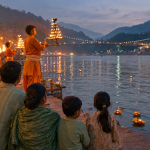
November is a beautiful month to travel through much of India. Desert nights turn cool, the ghats of Varanasi glow after dusk and open-air meals once again become a pleasure rather than a test of endurance. Wildlife parks are reopening, beach season is gathering momentum and the high-season energy feels fresh.
Best regions: Rajasthan, Gujarat, Delhi, Agra, Varanasi, central India, Goa, Karnataka, Northeast India and the Himalayan foothills.
Keep in mind: Tamil Nadu, Puducherry and parts of the southeast coast may still experience heavy rain. Air pollution can become severe in Delhi and parts of the northern plains, especially around seasonal crop burning and major celebrations. Travellers with respiratory conditions should check local air-quality information and plan accordingly.
December: winter sun, festive beaches and cold northern mornings
December is peak season for good reason. Days across Rajasthan are bright and comfortable, Kerala’s waterways glimmer beneath blue skies, and the beaches of Goa feel fully awake. Christmas and New Year bring celebration, music and some of the year’s highest room rates along the coast.
Best regions: Rajasthan, Gujarat, Madhya Pradesh, Goa, Kerala, Karnataka, the Andaman Islands, Delhi, Agra and Varanasi.
Keep in mind: book well ahead for Goa, Kerala and popular heritage hotels. Winter fog can begin affecting north Indian transport, while snow and ice restrict access in the higher Himalayas. Tamil Nadu often becomes drier as the month progresses, but conditions vary.
The best time to visit each region of India
North India: October to March for the plains, spring and autumn for the mountains
For Delhi, Agra, Jaipur and Varanasi, the cooler months from October to March are the easiest. December and January bring crisp evenings but can also bring fog. For Kashmir, Himachal Pradesh and Uttarakhand, April to June and September to October usually offer a better balance of access and comfortable mountain weather. Winter is for snow rather than wide-ranging road trips.
South India: December to February overall, with local exceptions
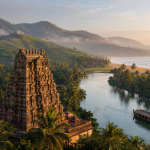
Kerala and the southwestern coast are most comfortable during the drier winter months. Tamil Nadu follows a different pattern because its important northeast monsoon often falls between October and December. January to March is therefore a dependable window for Chennai, Mahabalipuram, Madurai and the great temple towns, although March grows hot.
West India: November to February for beaches and cities
Mumbai, Goa and the Konkan coast are at their driest and most comfortable from November to February. The monsoon months reveal another personality: turbulent skies, forested hills and roaring waterfalls. It can be stunning, but swimming conditions, beach businesses and road journeys may be affected.
East India: October to March, depending on elevation
Kolkata, Odisha and the plains of Bihar and Jharkhand are most comfortable after the monsoon and before summer. Darjeeling and the eastern Himalayan hills are often loveliest in spring and autumn, when views are more likely to open between the clouds. Coastal Odisha and West Bengal can be exposed to cyclonic systems before and after the main monsoon.
Northeast India: October to April for easier travel
The Northeast receives some of India’s heaviest rainfall. October to April generally brings clearer conditions for Assam, Meghalaya, Nagaland and lower-elevation routes. Arunachal Pradesh and other high areas can be bitterly cold in winter, so spring and autumn may be better for mountain journeys. The monsoon is spectacular in Meghalaya, but outdoor plans need flexibility.
Central India: November to March for comfort, March to May for dedicated wildlife trips
Madhya Pradesh and Chhattisgarh are pleasant in winter, which suits temple visits, heritage towns and mixed itineraries. As water sources shrink in the hotter months, wildlife sightings can become rewarding, but safaris are dusty and daytime temperatures demanding. Many parks restrict or close core areas during the monsoon.
Ladakh and the trans-Himalaya: June to September
Ladakh’s main overland season is short. Roads from Manali and Srinagar usually open only after snow clearance, with exact dates changing each year. June to September offers the most reliable access, but nights remain cold and altitude is the larger concern. Fly into Leh slowly, allow time to acclimatise and resist the temptation to rush towards the highest passes.
Choose your month by the experience you want
| Travel experience | Best general timing | Why |
|---|---|---|
| Classic first trip | November to February | Comfortable conditions across many famous northern and southern routes |
| Budget travel with fewer crowds | April, September and selected monsoon periods | Better-value rooms may be available, but climate compromises vary by region |
| Himalayan trekking | April to May and September to November | Often clearer conditions outside winter and the main monsoon; route seasons vary |
| Ladakh road journey | June to September | Main period for open high passes and seasonal services |
| Tiger safari | February to April | Increasing heat may concentrate wildlife near water, before many parks close for monsoon |
| Goa beach holiday | November to February | Drier skies and a full range of beach services |
| Kerala backwaters | December to February | Warm, relatively dry and less humid |
| Monsoon landscapes | June to September | Western Ghats, Kerala, Goa, Madhya Pradesh and Meghalaya turn intensely green |
| Major cultural festivals | Varies each year | Holi, Diwali, Durga Puja, Eid and many regional celebrations follow different calendars |
Crowds, prices and the value of travelling off-season
Good weather brings demand. From late December into early January, prices can rise sharply in Goa, Kerala, Rajasthan and other popular holiday destinations. February is busy too, particularly at heritage hotels and wildlife lodges. Domestic holidays and major festivals can fill trains and flights even when international visitor numbers are lower.
The shoulder months can offer the best balance. Early March brings warmth without the full force of summer. September and October can deliver green landscapes and fewer visitors, though the rains may not have completely withdrawn. In April, a carefully designed mountain or wildlife itinerary can be excellent even while the plains grow hot.
Monsoon discounts can be tempting, especially at resorts and wellness retreats. Just calculate value honestly. A cheaper room is not a saving if rough seas cancel the boat trip you crossed India to take, or if a landslide forces an expensive change of route.
Practical seasonal planning tips
- Check the weather for each stop. A forecast for Delhi tells you little about Goa, Ladakh or Chennai.
- Build in spare time during the monsoon. One flexible day can protect an onward flight when roads or trains are delayed.
- Confirm seasonal access. Mountain passes, trekking trails, wildlife zones, ferries and beach businesses may open or close according to conditions rather than fixed dates.
- Pack for altitude and air conditioning as well as heat. Even in warm months, overnight trains, mountain evenings and heavily cooled interiors can feel cold.
- Treat extreme heat seriously. Move early, rest at midday, drink regularly and use oral rehydration salts when appropriate.
- Follow local warnings. During monsoon and cyclone periods, check the India Meteorological Department and listen to local authorities and accommodation providers.
- Verify festival dates before booking. Many celebrations follow lunar or regional calendars and shift annually.
So, what is the best month to visit India?
If you want one answer, choose February. It offers one of the broadest combinations of comfortable weather, open attractions and manageable conditions across north, central and south India.
But the better answer begins with a question: which India are you coming to see?
Come in January for desert forts and warm southern shores. Come in March for colour and celebration. Come in July for Ladakh’s high passes or the deep green drama of the monsoon. Come in October for festival light and landscapes freshly washed by rain.
India does not have one perfect season. It has a perfect season for each journey. Match your month to your route, leave a little room for the weather to surprise you, and the country will meet you in one of its many unforgettable moods.
Planning note: Seasonal patterns are a guide, not a guarantee. Before travelling, check current forecasts and warnings through the India Meteorological Department and use the official Incredible India weather guide for further trip planning.
Pingback: Kerala Backwaters: Choosing an Ethical Houseboat
Pingback: Madurai & Rameswaram Travel Guide: Temples & Coast