Now Reading: India Travel Guide: Everything You Need to Plan Your First Trip
-
01
India Travel Guide: Everything You Need to Plan Your First Trip
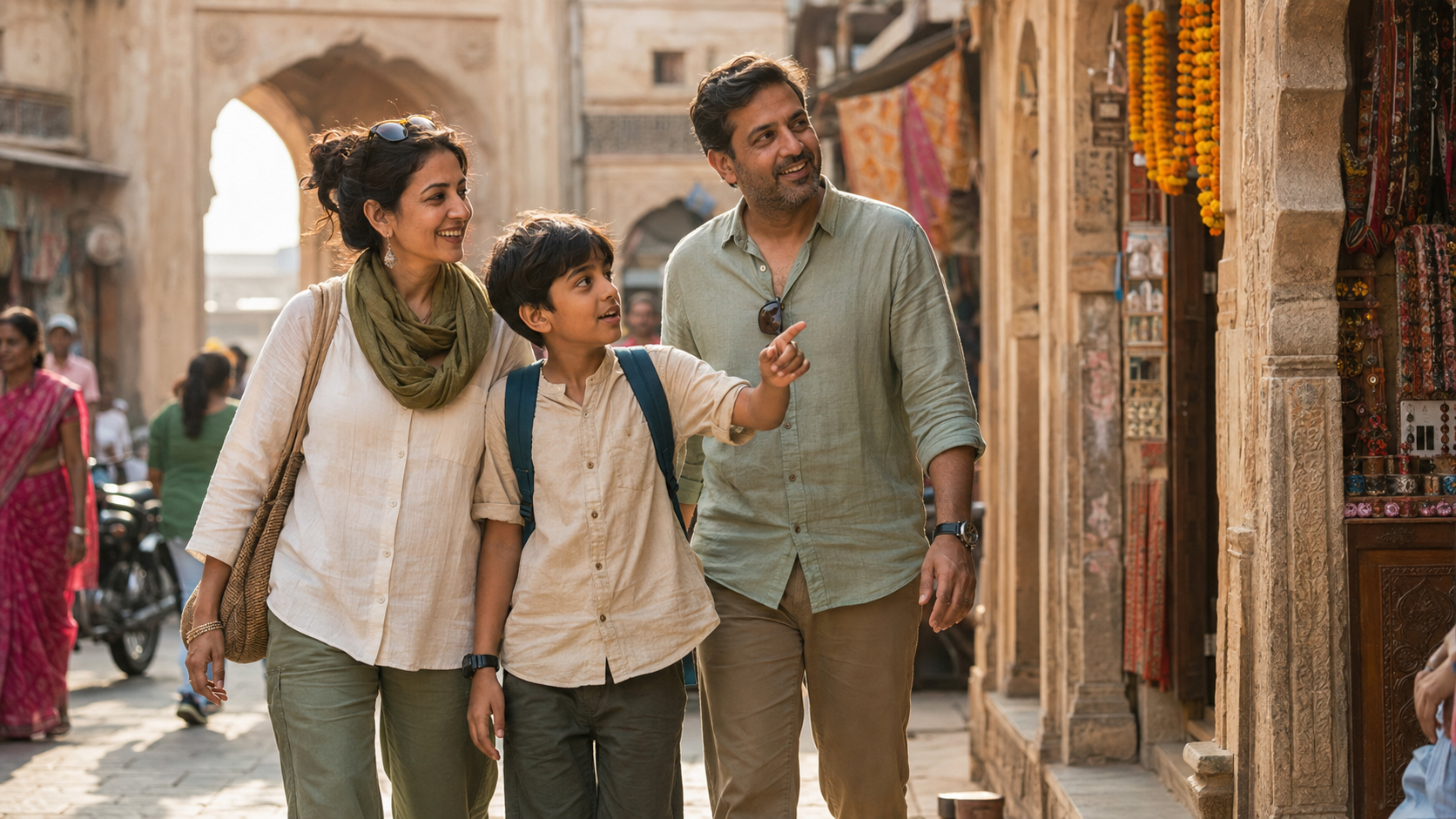

Plan your first trip to India with practical advice on visas, routes, seasons, budgets, trains, food, safety, health, etiquette and what to pack.
Last updated: August 2026
India rarely introduces itself quietly. It may begin with the warm night air outside an airport, the scent of cardamom drifting from a tea stall, a chorus of horns and a hotel doorman folding his hands in welcome. By breakfast, you might have watched marigolds threaded into garlands, tasted a dosa crisp enough to crack under your spoon and wondered how one country can hold so many worlds at once.
That scale is what makes a first trip to India thrilling. It is also what makes planning one feel difficult. The answer is not to see more. It is to choose a small, meaningful part of India and give it enough time to unfold.
This India travel guide takes you from that first decision to the moment you step onto the plane. It covers routes, seasons, visas, budgets, trains, food, health, safety, cultural etiquette and the small choices that make travelling here feel calmer. You do not need to master India before you arrive. You only need a sensible route, a little preparation and room for surprise.
India at a glance
- Ideal first-trip length: 10 to 21 days
- Best broad travel window: October to March, depending on the region
- Currency: Indian rupee (INR or ₹)
- Time zone: India Standard Time, UTC+5:30
- Driving: On the left
- Power: 230V, 50Hz, with Type C, D and M sockets commonly encountered
- National emergency number: 112
- Tourist helpline: 1363 or 1800 11 1363
How to plan your first trip to India
The most useful way to plan India is in this order:
- Choose one region or one compact route.
- Match that route to the right season.
- Decide how many long travel days you can genuinely enjoy.
- Arrange your visa, insurance and first nights.
- Book the trains, flights or drivers that could sell out.
- Leave some unscheduled space.
Try not to begin with a list of famous landmarks. Delhi, Mumbai, Jaipur, Varanasi, Goa and Kerala look temptingly close on a map of the whole country, but joining them can consume hours in airports, stations and traffic. India rewards depth. A conversation over chai, a second evening in the same neighbourhood and an unhurried walk through a market often stay with you longer than another hurried monument.
First, choose which India you want to meet
There is no single classic India trip. Snow peaks, tiger forests, desert forts, tropical backwaters, tea gardens and coral islands all belong to the same nation, but they require very different journeys.
| Region | What it feels like | Strong first-trip choices |
|---|---|---|
| North India | Mughal monuments, Rajput forts, Himalayan foothills, sacred rivers and intense historic cities | Delhi, Agra, Jaipur, Jodhpur, Udaipur, Amritsar, Rishikesh and Varanasi |
| South India | Temple towns, coconut coastlines, spice gardens, backwaters and a gentler tropical rhythm | Kochi, Munnar, Alappuzha, Varkala, Madurai, Mysuru and Hampi |
| West India | Big-city energy, beaches, desert salt flats, trading history and distinctive regional food | Mumbai, Goa, Ahmedabad, Kutch and the Konkan Coast |
| East India | Literary cities, temple architecture, river landscapes, coast and layered colonial history | Kolkata, Bhubaneswar, Puri, Darjeeling and Bodh Gaya |
| Northeast India | Rainforests, living-root bridges, highland cultures, wildlife and far fewer international visitors | Assam, Meghalaya, Sikkim, Nagaland and Arunachal Pradesh |
| Central India | Ancient temples, forest reserves, rock-cut history and some of India’s finest wildlife country | Khajuraho, Orchha, Bhopal, Sanchi, Kanha and Bandhavgarh |
If the India in your imagination is filled with sandstone forts, bazaars and the Taj Mahal, start in the north. Our complete North India travel guide helps you turn that idea into a practical route. If you picture palm trees, houseboats and banana-leaf meals, choose the south instead. Wildlife lovers may be happier building an entire journey around Central India or Assam.
A good rule: for a two-week trip, choose one region and no more than four or five main bases.
How long do you need in India?
One week
Keep the route compact. Delhi, Agra and Jaipur form the famous Golden Triangle and fit comfortably into seven days if transfers are planned well. In the south, a week can combine Kochi, Munnar and the Kerala backwaters. Do not try to join north and south unless a single domestic flight is central to the trip.
Two weeks
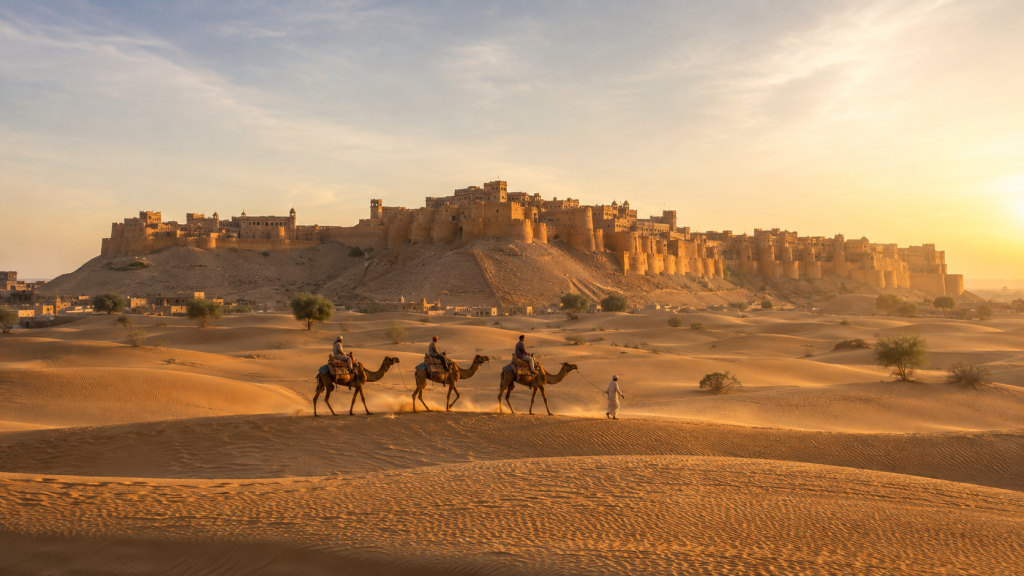
Four or five stops work well. You can travel through Rajasthan without rushing, follow a slower Kerala route or pair one compact northern circuit with one carefully chosen southern base. Two weeks gives you space for a food walk, a village stay or a day when you simply do less.
Three weeks
Three weeks allows for contrast. You could travel through Delhi, Agra and Rajasthan before flying south to Kerala, or combine cities and wildlife in one half of the country. Build in at least two buffer nights if you have important international connections.
A month or longer
You can travel overland more often, pause when a place feels right and explore beyond the headline cities. Even then, resist trying to cover the whole country. A month in South India or the Northeast can feel richer than a month spent collecting distant landmarks.
Three sensible itineraries for a first visit
7 days: India’s Golden Triangle
- Delhi: 2 nights
- Agra: 1 night
- Jaipur: 3 nights
- Delhi or departure buffer: 1 night
This is the easiest introduction if time is short. You will see Old Delhi’s lanes, the Taj Mahal and Rajasthan’s palaces without spending every day in transit. Add an extra Delhi night if you arrive after a long-haul flight.
14 days: Forts, markets and lakes in North India
- Delhi: 3 nights
- Agra: 1 night
- Jaipur: 3 nights
- Jodhpur: 2 nights
- Udaipur: 3 nights
- Travel and departure buffer: 2 nights
This route has a satisfying rhythm. The monuments are magnificent, but the quieter pleasures matter too: rooftop sunsets in Jaipur, blue lanes beneath Mehrangarh Fort and an evening beside Lake Pichola.
14 days: Kerala at a slower pace
- Kochi: 3 nights
- Munnar: 3 nights
- Thekkady or Periyar: 2 nights
- Alappuzha or Kumarakom: 2 nights
- Varkala: 3 nights
- Departure buffer: 1 night
This is a softer landing for travellers worried about the intensity of their first visit. You move from old port streets to cool tea country, spice-scented forests, backwater villages and the Arabian Sea.
When is the best time to visit India?
October to March is the most comfortable broad answer, but it is not the whole answer. India is large enough for winter fog in Delhi, tropical sunshine in Kerala and deep snow in the Himalayas to exist at the same time.
| Region or experience | Usually most comfortable | What to consider |
|---|---|---|
| Delhi, Agra and Rajasthan | October to March | December and January can bring cold mornings and disruptive fog. April to June is intensely hot. |
| Kerala, Tamil Nadu and Karnataka | November to February | Temperatures and humidity rise before the monsoon. Rain patterns vary between coasts. |
| Goa and the west coast | November to February | Peak weeks are busy and expensive. Monsoon travel is lush but wetter, with rougher seas. |
| Himalayan hill regions | March to June and September to November | High-altitude routes have shorter seasons. Snow, landslides and permit rules can alter plans. |
| Northeast India | October to April | Heavy monsoon rain affects roads and trails. Some states or border areas require permits. |
| Wildlife parks | November to April | Many parks close or restrict zones during the monsoon. Hotter months can improve sightings but reduce comfort. |
The main southwest monsoon broadly reaches much of India from June to September, though timing and intensity vary. Monsoon travel can mean luminous green landscapes, fewer visitors and better hotel prices. It can also mean flooding, landslides and disrupted roads or trains. The Bay of Bengal and both coasts can face cyclones in particular seasons, so monitor the India Meteorological Department and local advice.
Visas, passports and entry requirements
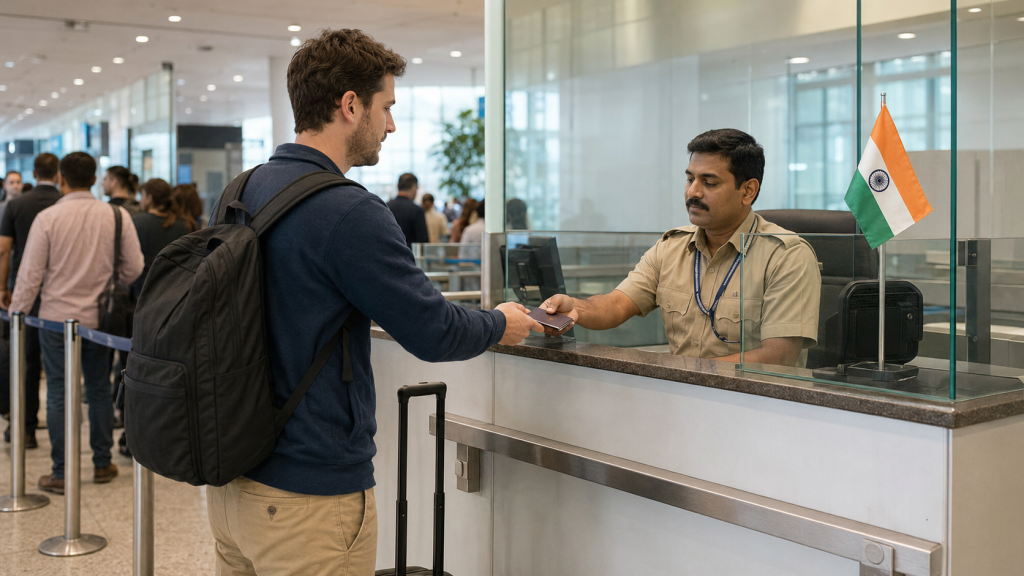
Most foreign visitors need a visa before travelling to India. Many nationalities can apply for an e-Visa, while other travellers need a regular visa. Eligibility, permitted entry ports, validity and fees depend on your passport and visa type.
Use only the Government of India’s official visa website. Imitation visa sites may charge unnecessary fees or collect sensitive information.
Your essential entry checklist
- Check that your passport meets the rules for your nationality. UK guidance currently states that British passports should be valid for at least six months after arrival and contain at least two blank pages.
- Apply for the correct visa and travel on the passport used for the application.
- Confirm that your chosen airport or seaport is permitted for your e-Visa.
- Complete India’s online e-arrival card within the 72 hours before you reach immigration. This is separate from your visa.
- Keep digital and printed copies of your passport, visa approval, insurance and first accommodation.
- Check whether your route enters any protected or restricted area requiring a separate permit.
- Make sure your passport is stamped on arrival and retain the entry record.
Rules can change, sometimes quickly. Recheck the official visa portal and your own government’s India travel advice shortly before departure. If you hold an Overseas Citizen of India card or have a complex nationality history, follow the rules that apply specifically to you.
What your first 24 hours should look like
Your first day shapes how India feels. After a night flight, even a normal taxi queue can seem overwhelming. Make the arrival deliberately simple.
- Book the first two nights in advance. Choose a well-reviewed property in a neighbourhood that suits your plans, not merely the cheapest room in the city.
- Arrange a reliable transfer. Use your hotel, an airport prepaid-taxi counter or a recognised ride app. Confirm the driver’s name and vehicle before leaving.
- Keep your arrival address offline. Save the hotel name, phone number and map pin as a screenshot.
- Withdraw or exchange a modest amount of rupees. You need enough for tips, snacks and small merchants, not your entire trip budget.
- Make day one gentle. Eat, shower, rest and explore one nearby street. Save the ambitious sightseeing for tomorrow.
If possible, arrive during daylight. If you land late, a pre-arranged hotel car can be worth the extra cost for the calm it buys.
How much does a trip to India cost?
India can still offer excellent value, but it is not uniformly cheap. A dorm bed and a local thali may cost little, while a national park safari, heritage hotel, private driver or last-minute domestic flight can change the budget quickly.
| Travel style | Indicative daily budget per person | What it usually includes |
|---|---|---|
| Backpacker | ₹2,500 to ₹4,500 | Hostels or simple guesthouses, local meals, trains and buses, mostly independent sightseeing |
| Comfortable mid-range | ₹6,000 to ₹12,000 | Good private rooms, a mix of restaurants, air-conditioned trains, app taxis and paid activities |
| Higher comfort | ₹15,000 to ₹30,000+ | Boutique or heritage hotels, private cars, guides, domestic flights and more flexible dining |
These are planning ranges, not fixed prices, and exclude international flights. At August 2026 exchange rates, ₹10,000 is roughly US$105 or £78, but exchange rates and card fees move constantly. Build a 15 to 20 per cent buffer for unexpected transfers, festival pricing and the occasional restorative hotel upgrade.
Solo travellers usually spend more per person on private cars and rooms. Couples can share those costs. Peak Christmas and New Year dates, major festivals, tiger reserves and luxury heritage properties require a noticeably larger budget.
Money, cards, cash and UPI
Carry more than one way to pay. Cards are common in good hotels, larger restaurants and shops, but cash remains useful in markets, small eateries, villages and for tips. ATMs are widely found in towns and cities, although limits and fees vary.
- Tell your bank you are travelling if it still requires notification.
- Keep a backup card separate from your main wallet.
- At an ATM or card terminal, choose to pay in Indian rupees and decline dynamic currency conversion.
- Withdraw during daylight at a bank ATM where possible, and count cash discreetly.
- Keep small notes for rickshaws, tea stalls and tips.
UPI QR payments are embedded in daily life across India. International visitors may be able to use UPI One World through an authorised provider without an Indian bank account. Availability, onboarding points and eligible nationalities can change, so check before relying on it. Cash and a physical bank card are still sensible backups.
Getting around India
Trains
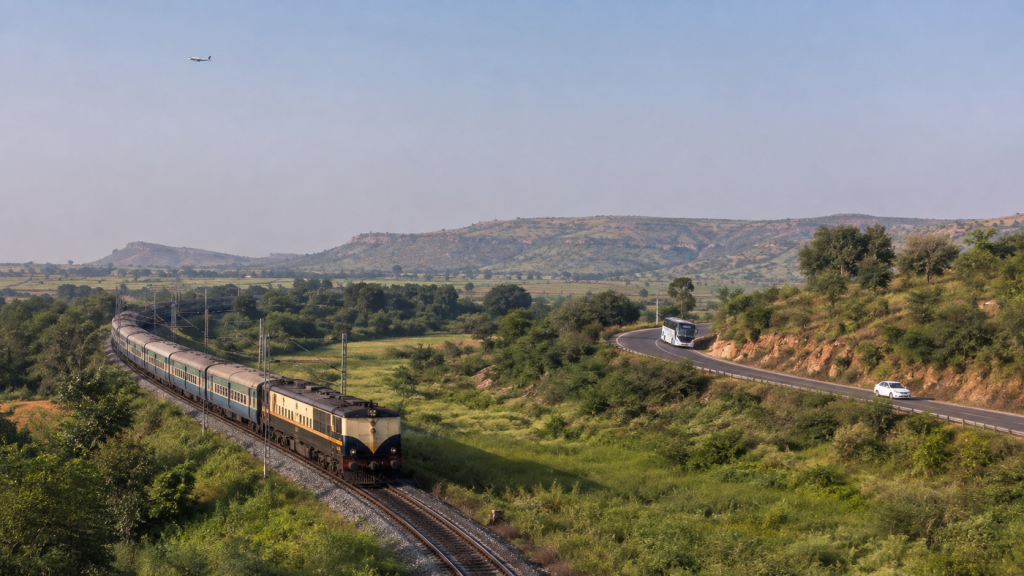
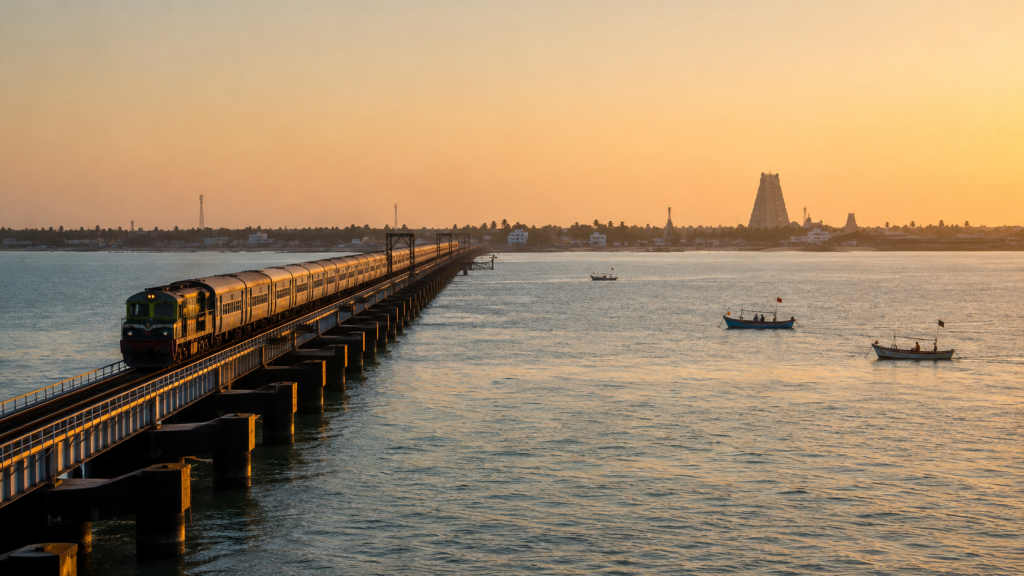
India’s railways are part transport system, part moving window into the country. You may wake to vendors calling out chai, fields turning gold beyond the glass and a new city arriving before breakfast.
Book through IRCTC, the official railway ticketing platform, or a reputable booking service that clearly shows its fees. Foreign users can register with IRCTC and may have access to both general availability and a Foreign Tourist Quota on eligible services. Rules and booking windows change, so treat the live system as authoritative.
For a first overnight journey, 2AC offers more space and privacy, while 3AC is comfortable enough for many travellers and more sociable. AC Chair Car or Executive Chair Car suits daytime intercity routes. Sleeper Class is inexpensive and atmospheric but is not air-conditioned and can feel demanding in hot or crowded conditions.
Popular trains sell out. Reserve important legs as soon as your route is firm, keep your passport details consistent and avoid unofficial helpers at stations. Never accept a stranger’s claim that your train is cancelled without checking the departure board, official app or railway staff.
Domestic flights
Flying is often sensible when two places are more than an overnight train apart. Delhi to Kochi or Mumbai to Guwahati can save a full day or more. Leave generous connection time, particularly when moving between international and domestic terminals, and check baggage allowances before choosing the cheapest fare.
Cars and drivers
A car with a driver can be excellent for Rajasthan, hill areas and routes with several stops. Agree what the price includes, such as fuel, tolls, parking, the driver’s accommodation and daily kilometre limits. Avoid long night drives. Road conditions, animals, weather and unpredictable traffic make journey times longer than the map suggests.
Taxis, auto-rickshaws and local transport
Ride-hailing apps such as Uber and Ola operate in many cities. At airports, app taxis, prepaid counters and hotel transfers are usually easier than negotiating after a long flight. Auto-rickshaws are part of the fun for shorter journeys. Ask for the meter where it is commonly used or agree the fare before setting off.
Metros in Delhi, Mumbai, Kolkata, Bengaluru, Hyderabad, Chennai, Kochi and several other cities can bypass traffic efficiently. City buses are cheap but may be difficult to navigate when you are tired or carrying luggage.
Where to stay
India’s accommodation ranges from sociable hostels and family guesthouses to forest lodges, restored havelis and palace hotels. The neighbourhood often matters more than the star rating.
For your first stop, look for:
- recent reviews from travellers with similar priorities
- a clear, safe route from the airport or station
- 24-hour reception if arriving late
- air conditioning or reliable heating when the season requires it
- hot water, clean linen and realistic descriptions of noise
- staff who can help without pressuring you into tours or shops
Registered accommodation providers must record foreign guests through the C-form system, so expect to show your passport and visa. This is normal. Do not surrender your passport overnight when a copy or prompt registration will do.
Eating in India without missing the joy
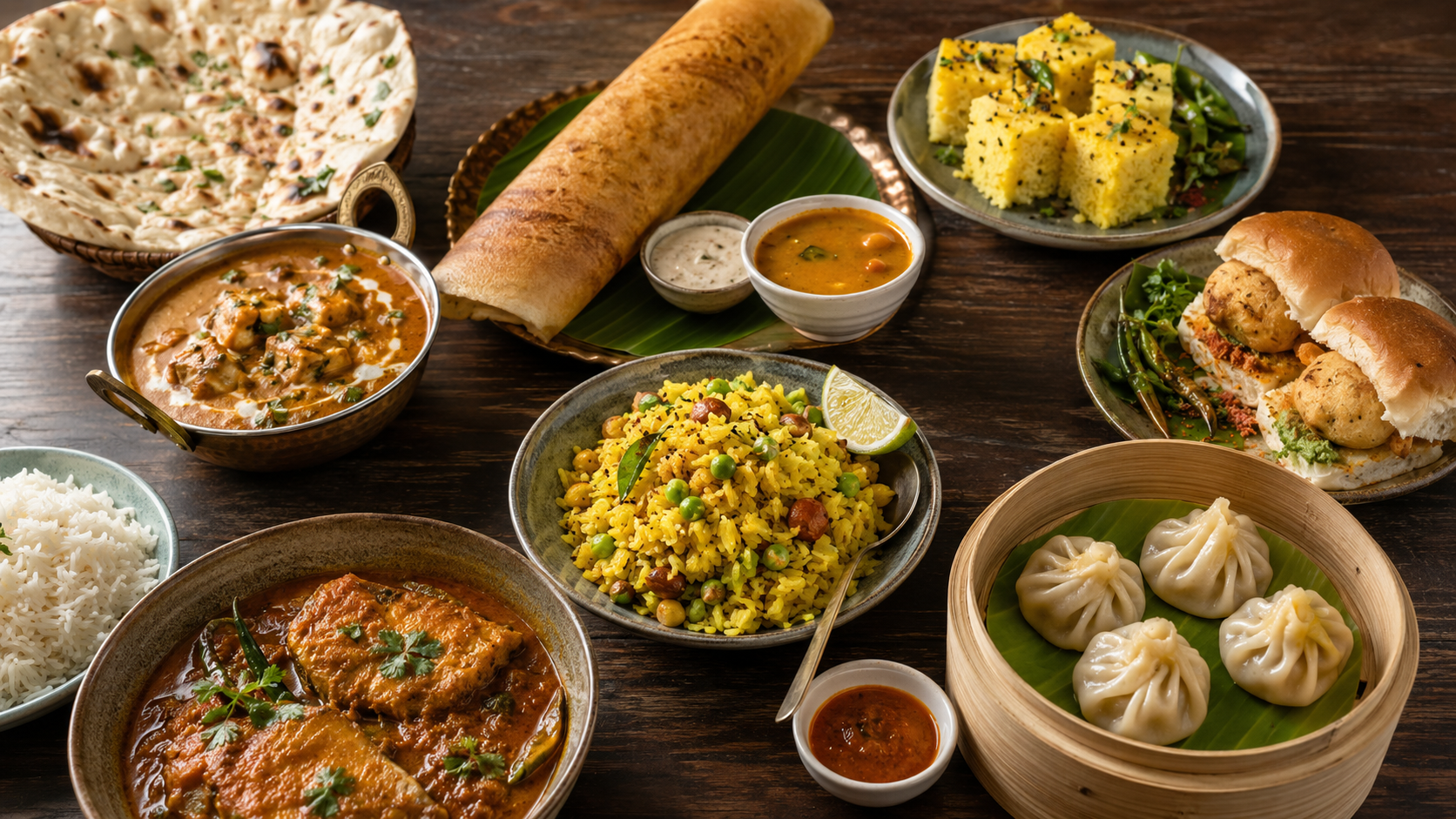
Food is not a side note to an India trip. It is one of the clearest ways to understand where you are. Breakfast might be poha bright with turmeric in Madhya Pradesh, idli with coconut chutney in Tamil Nadu, stuffed paratha in Punjab or luchi and potato curry in Kolkata. The phrase “Indian food” becomes almost meaningless once each region begins speaking through its own grains, spices, sourness and heat.
| Where | Flavours and dishes to seek out |
|---|---|
| Delhi and the north | Chaat, kebabs, chole bhature, paratha, dal and rich Mughlai cooking |
| Rajasthan and Gujarat | Dal baati churma, gatte ki sabzi, thali, dhokla and farsan |
| South India | Dosa, idli, appam, seafood, sambar, rasam and banana-leaf meals |
| West Bengal and Odisha | Freshwater fish, mustard, rice, sweets, pakhala and temple food traditions |
| Northeast India | Smoked meats, bamboo shoot, fermented flavours, rice and fresh greens |
| Central India | Poha, bhutte ka kees, tribal food traditions and robust regional curries |
Vegetarian travellers are exceptionally well served. “Pure veg” usually means a restaurant serves no meat, fish or eggs. Vegan food is also possible, but clarify ingredients such as ghee, butter, curd, paneer and milk.
Practical food and water habits
- Drink sealed bottled water or properly filtered water. Check that the seal is intact.
- Choose busy food stalls where ingredients are cooked hot and turnover is high.
- Be cautious with raw salad, cut fruit, unpasteurised dairy and ice when hygiene is uncertain.
- Let your stomach adjust. A feast of rich dishes on the first night is tempting, but smaller meals are kinder after a long flight.
- Carry oral rehydration salts and know when stomach symptoms require medical help.
- Ask for “less spicy” if needed, while remembering that chilli heat and spice complexity are not the same thing.
Do not let fear reduce the journey to hotel buffets. A well-chosen local restaurant, a guided food walk or a freshly cooked street snack can become a favourite memory.
Health preparation
Arrange a travel-health appointment at least six to eight weeks before departure if you can. Recommended vaccines and malaria advice depend on your medical history, season, length of stay and exact route. Travellers may need to consider mosquito-borne illnesses including dengue, malaria, chikungunya and Zika. Yellow fever or polio certificates can also be entry requirements for arrivals from certain countries.
Use a recognised source such as TravelHealthPro’s India guide and follow personalised medical advice.
- Buy travel insurance that covers your destinations and activities, including trekking altitude, wildlife trips or motorcycling where relevant.
- Bring enough prescribed medicine in original packaging, along with supporting documents if required.
- Use insect repellent, cover exposed skin around dawn and dusk and sleep with effective screening where needed.
- Protect yourself from heat with water, shade, a hat and a slower pace.
- Do not underestimate altitude. Ascend gradually and treat symptoms seriously.
- Check air-quality conditions, especially in North Indian cities from October to February if you have respiratory or heart concerns.
Private hospitals in large cities can provide high-quality care, but facilities are more limited in remote areas. Contact your insurer promptly if you need treatment. Dial 112 in an emergency.
Is India safe for first-time travellers?
Millions of journeys through India are completed safely, but a calm trip comes from good habits rather than pretending risks do not exist. Road accidents, illness, harassment, theft and scams are more useful to plan for than vague fear.
- Read the latest travel advice for every state on your route. Some border and conflict-affected areas may be subject to warnings or permits.
- Avoid demonstrations, political gatherings and dangerously compressed crowds.
- Use app-based, prepaid or hotel-arranged transport, especially at night.
- Share your ride or live location with someone you trust.
- Keep your phone and wallet away from open vehicle windows and take extra care in stations and markets.
- Do not accept food or drinks from strangers on trains.
- Never photograph military installations, border infrastructure or security-sensitive sites.
- Avoid isolated beaches, streets and trails when alone, particularly after dark.
- Trust discomfort early. You do not owe a stranger politeness, an explanation or a visit to a particular shop.
For female travellers, unwanted attention and harassment are real concerns. Dressing with local context, choosing reputable accommodation, avoiding isolated places and arranging reliable transport can reduce exposure, but responsibility always lies with the harasser. Women-only train compartments and ride-sharing safety features can be useful where available.
India’s national emergency number is 112. The Ministry of Tourism helpline, 1363 or 1800 11 1363, can provide information and assist with complaints. Save the numbers offline along with your insurer and embassy or consulate contacts.
Common scams and how to respond
“Your hotel is closed”
A driver may claim your hotel has burned down, moved or closed, then offer another property that pays commission. Call the hotel yourself and insist on going to the address you booked.
“The ticket office has moved”
Unofficial touts around stations may direct you to a private travel agency. Follow signs inside the station or use IRCTC. Ask uniformed staff at an official counter when uncertain.
Unwanted shop detours
Some drivers and guides earn commission by taking visitors to jewellery, carpet or craft shops. State clearly before departure that you do not want shopping stops. Leave if the atmosphere becomes uncomfortable.
Incorrect change or inflated fares
Carry smaller notes, count change and agree non-metered fares in advance. A pricing disagreement is easier to prevent than to resolve at the destination.
Overfriendly invitations involving money
Most conversations are simply conversations, and warmth is a beautiful part of travelling in India. Be cautious when a new friendship quickly becomes a request to buy gemstones, transfer funds, fix a visa problem or invest in a business.
Culture and etiquette
India is culturally diverse, so no etiquette rule applies everywhere. Respectful curiosity carries you further than memorising a long list.
- Dress modestly at religious sites and in conservative or rural communities. A light scarf is useful.
- Remove shoes where requested. Some temples also restrict leather items, photography or entry to particular areas.
- Ask before photographing people, ceremonies or private moments.
- Use your right hand when giving money, food or an object if practical.
- Avoid pointing the soles of your feet towards people or sacred objects.
- Public affection may attract attention outside cosmopolitan settings.
- Alcohol laws differ by state, and some places prohibit it. Check locally.
- Do not bring vapes into India. Their import, sale and possession are restricted under Indian law.
At a gurdwara, temple, mosque, church or monastery, follow the example of worshippers and the instructions at the entrance. You do not need to understand every ritual to enter with humility.
Phones, SIM cards and staying connected
Mobile data makes first-time travel much easier. It gives you maps, translation, ride apps, train updates and a way to share plans.
International roaming or a travel eSIM is the simplest option for immediate connectivity. A local SIM can be cheaper for a longer stay but may require your passport, visa, address and identity verification. Buy through an official operator shop or airport counter and allow time for activation.
Download before travelling:
- offline maps for every destination
- your airline and train booking details
- a ride-hailing app used in your arrival city
- WhatsApp, which is widely used by hotels and drivers
- offline copies of your passport, visa and insurance
- the 112 India emergency app if compatible with your phone
Internet or mobile services can occasionally be restricted during unrest or emergencies. Keep essential addresses and tickets available offline.
What to pack for India
Pack for the climate and activities of your route, not for an abstract idea of India.
- light, breathable clothes that cover shoulders and knees when needed
- a scarf or shawl for religious sites, air-conditioned trains and cool evenings
- comfortable closed shoes plus sandals that are easy to remove
- a warm layer for northern winters, hill stations and overnight trains
- sun protection, a hat and a refillable bottle with an effective filter if desired
- insect repellent and any travel-health supplies recommended for your route
- oral rehydration salts, hand sanitiser and tissues
- a universal adaptor that supports Type C, D and M sockets
- a small padlock and a light day bag that closes securely
- printed and digital document copies
Leave expensive jewellery and “just in case” clothing at home. Laundry is inexpensive and widely available. Spare luggage space is more valuable when you discover textiles, tea, spices, books or crafts you genuinely love.
Responsible travel in India
India’s beauty is inseparable from the people who live within it. Travel in a way that keeps local lives from becoming scenery.
- Pay fair prices and bargain with humour, not aggression. A tiny saving to you may matter more to the seller.
- Choose locally owned stays, guides and restaurants when they offer good standards.
- Ask before photographing people, especially children.
- Do not give sweets, pens or money directly to children. Support a reputable local organisation instead.
- Refuse animal experiences that involve coercion, poor welfare or unnatural performances.
- Carry a reusable bottle where safe filtered refills are available and reduce single-use plastic.
- Respect sacred spaces, local dress and community rules even when nobody is watching.
- Buy wildlife products only when you are certain they are legal and ethical. Protected animal parts are illegal.
A practical planning timeline
| When | What to do |
|---|---|
| 3 to 6 months before | Choose the region and season, check passport validity, research visa eligibility, book international flights and high-demand wildlife stays. |
| 8 weeks before | Arrange a travel-health consultation, buy insurance and confirm whether any route needs permits. |
| 4 to 8 weeks before | Secure key trains, domestic flights, first accommodation and any festival-period stays. |
| 1 to 2 weeks before | Check regional travel advice and weather, confirm transfers, download offline documents and tell your bank if necessary. |
| Within 72 hours of arrival | Complete the official e-arrival card, recheck flight details and save your first hotel address offline. |
| On arrival | Check your entry stamp, use reliable transport, obtain a modest amount of cash and give yourself time to rest. |
First-time mistakes to avoid
- Trying to see the whole country. Fewer places create a richer trip.
- Trusting map times. Distance, traffic and road conditions turn short-looking routes into long days.
- Booking every minute. Keep enough structure for safety and enough space for discovery.
- Starting too cheaply. A reliable airport transfer and a good first hotel can transform your arrival.
- Ignoring the season. The wrong month can mean extreme heat, fog, closed parks or disrupted mountain roads.
- Depending on one payment method. Carry cash, a primary card and a separate backup.
- Eating too boldly on day one. Give your body time to adjust before testing every tempting dish.
- Assuming all of India shares one culture. Listen, observe and let each place define itself.
- Leaving train bookings too late. The best services and classes can sell out.
- Forgetting recovery time. Heat, noise and movement are tiring. A slow afternoon is not a wasted one.
Frequently asked questions about travelling to India
Is India suitable for a first-time independent traveller?
Yes, if you plan the opening days well and accept that India has a learning curve. Book your first accommodation and transfer, keep the route compact and use reputable transport. Travellers who prefer more support can combine independent days with a driver or local guide.
How many days are enough for a first trip to India?
Ten to fourteen days is a strong starting point. It is enough for one coherent region without turning the trip into a race. Three weeks gives you more contrast and rest.
Which part of India is best for a first visit?
North India suits travellers drawn to the Taj Mahal, Delhi and Rajasthan. Kerala is an excellent alternative for tropical scenery and a slower rhythm. The best choice depends on your interests and month of travel.
What is the best month to visit India?
February and November offer comfortable conditions across many popular regions, but no single month is best everywhere. Himalayan, tropical, desert and monsoon climates need separate planning.
Can I use a credit card everywhere?
No. Cards work in many hotels, restaurants and larger shops, but cash remains important. International visitors may also be able to use UPI One World. Always carry a backup payment method.
Should I book Indian trains in advance?
Yes, especially for popular routes, overnight services, holidays and comfortable air-conditioned classes. Use IRCTC or a reputable booking platform and ignore unsolicited ticket agents at stations.
Can I drink tap water in India?
Visitors should generally avoid untreated tap water. Use sealed bottled water, a trusted filtered-water source or an appropriate purification system. Be cautious with ice and raw food where water quality is uncertain.
Do I need travel insurance for India?
Yes. Choose cover for medical treatment, evacuation, cancellation and every planned activity. If trekking, confirm the altitude limit and rescue cover in writing.
Final thoughts: let India be larger than your checklist
Your first trip to India will not explain India to you. That is part of its gift.
You may remember the Taj Mahal at first light, but also the railway porter who found your carriage, the woman who showed you how to eat a thali, the smell of rain settling dust or the quiet of a temple courtyard just beyond a noisy road. India is full of moments when apparent chaos reveals its own rhythm.
Plan the essentials carefully. Choose less. Travel more slowly than the map encourages. Then leave enough room for the country to surprise you.
Essential official resources: Indian Visa Online | IRCTC train booking | Incredible India | India Meteorological Department | UK travel advice for India
Practical information was checked in August 2026. Visa rules, fares, health advice, permits and regional travel warnings can change. Confirm them with official sources before booking and again before departure.